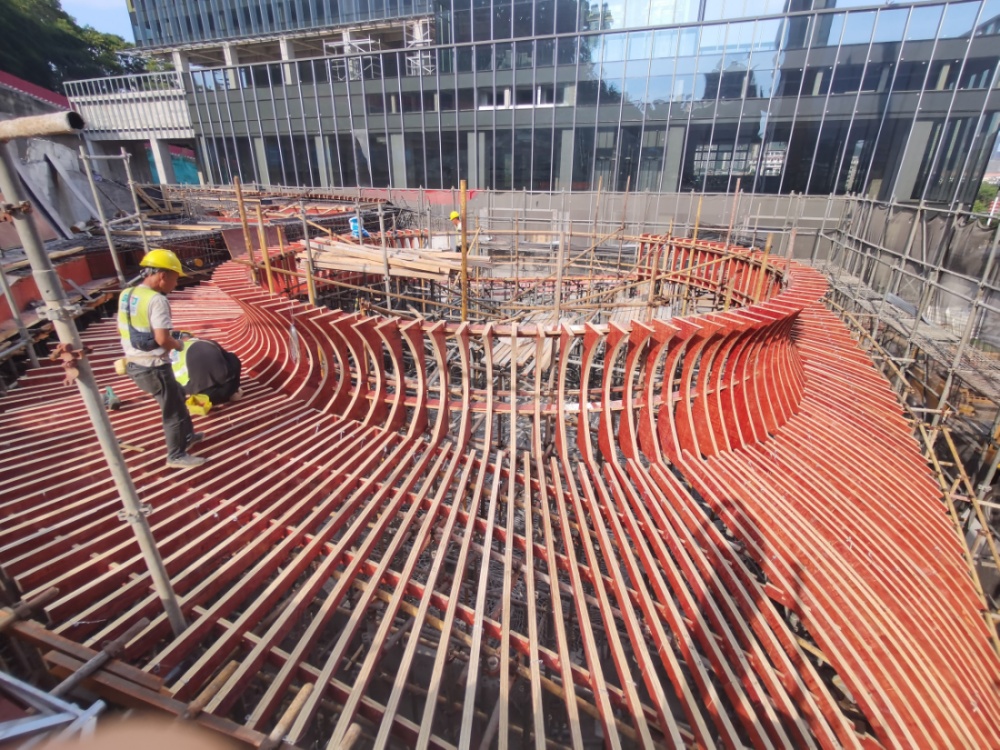
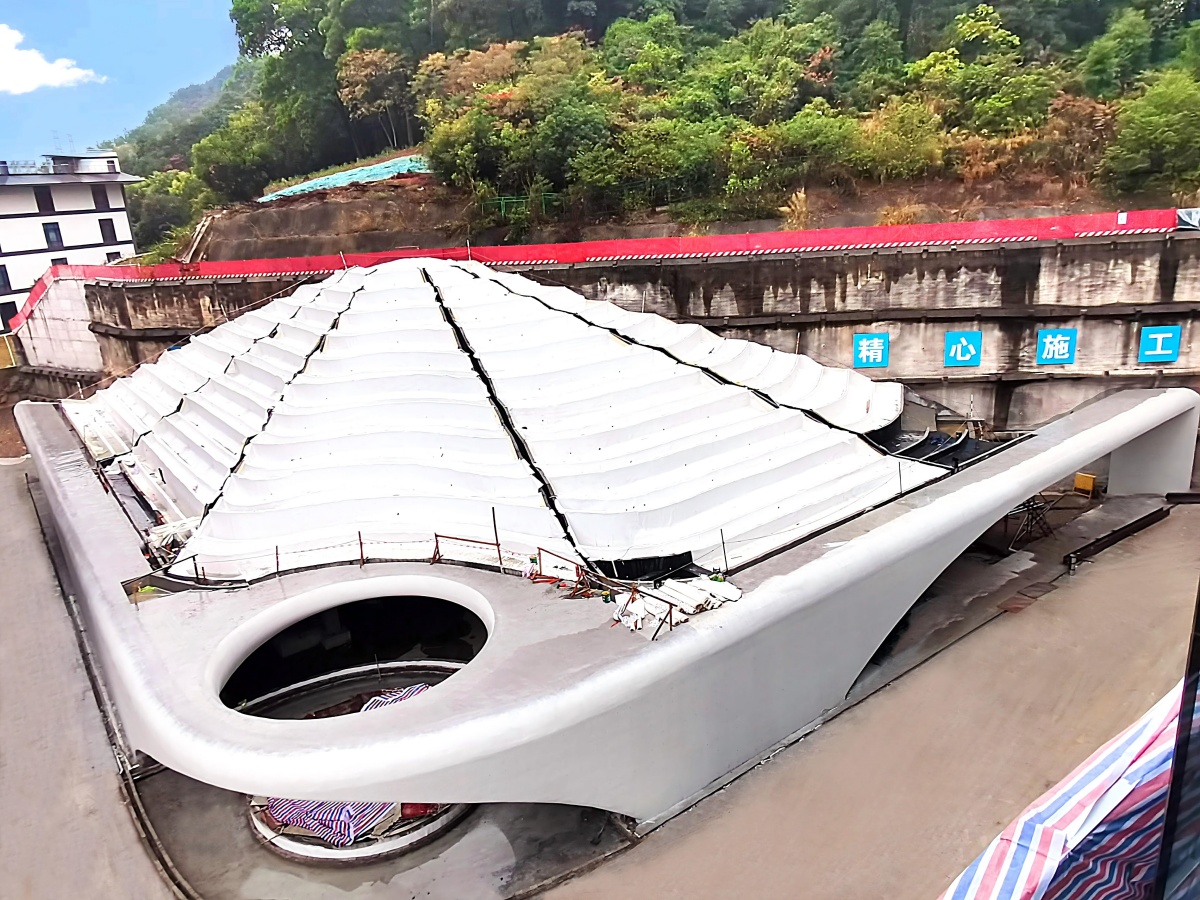
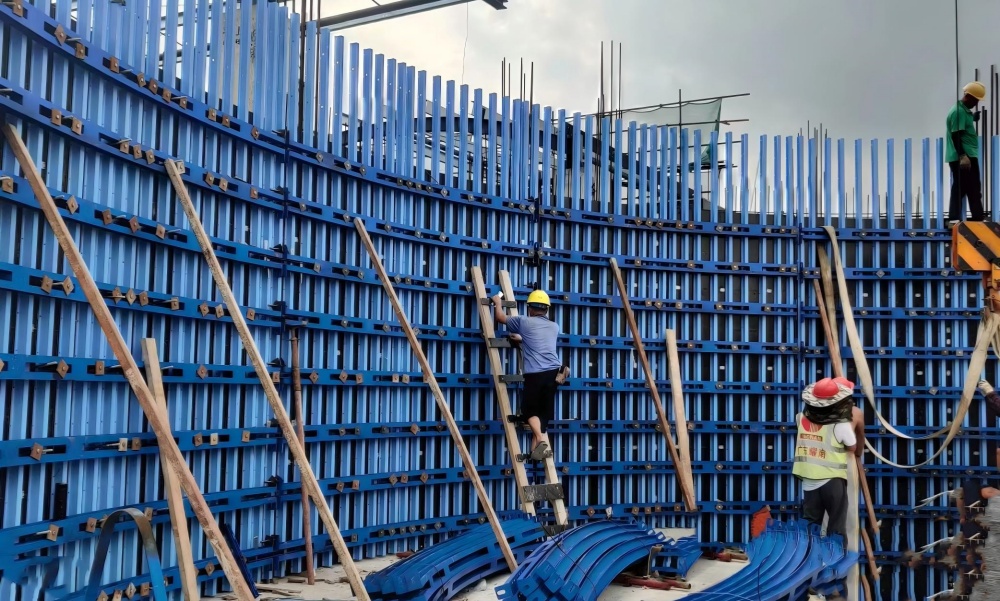
Fair-Faced Concrete Formwork and Scaffolding
Fair-faced concrete is celebrated as the "native aesthetics of concrete". It eliminates secondary finishing processes such as plastering, painting, stone cladding and tiling, and instead retains the natural texture of concrete after pouring and demoulding as the building's final finish. With a minimalist, rustic and pure material expression, it restores the inherent structural order and beauty of architecture, making it the preferred construction method for contemporary green buildings and minimalist landmark projects.
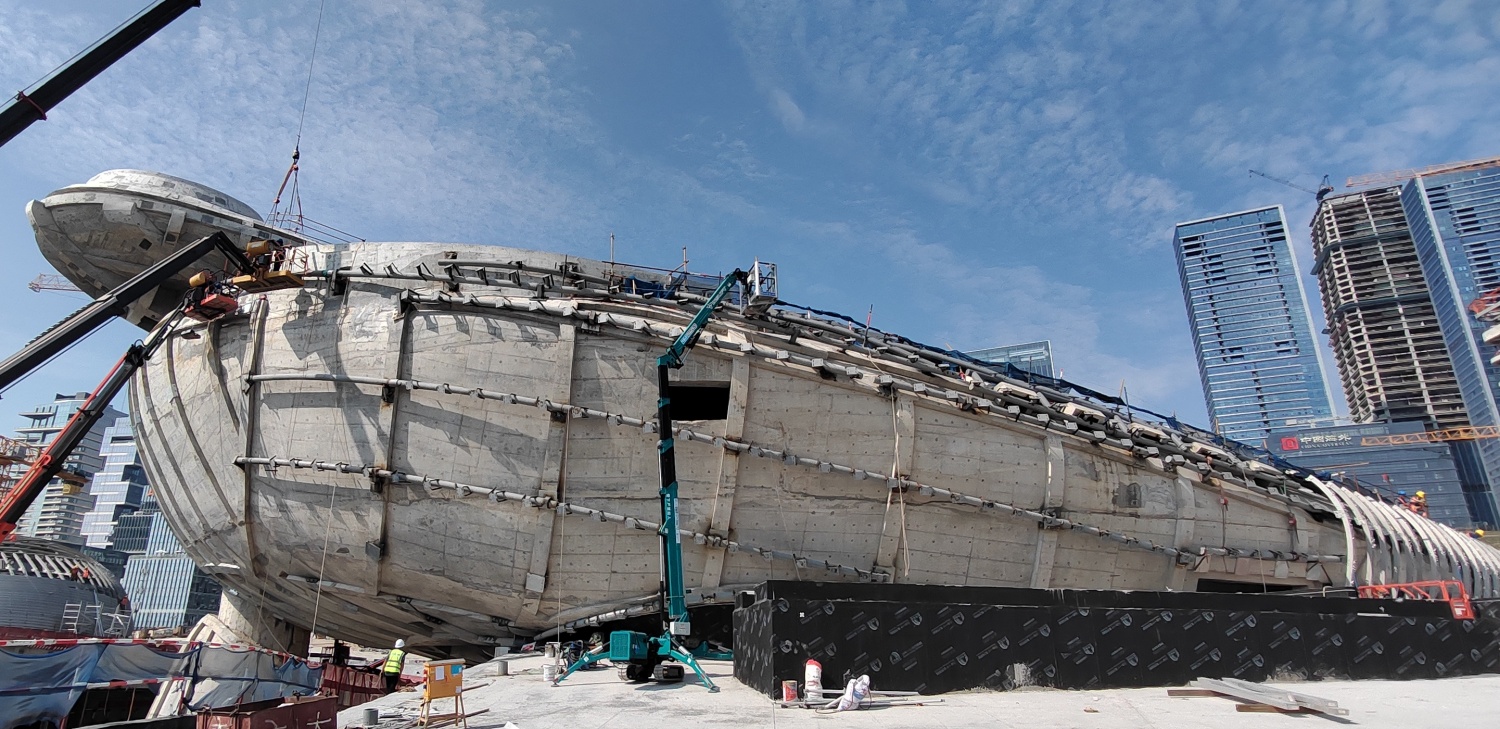
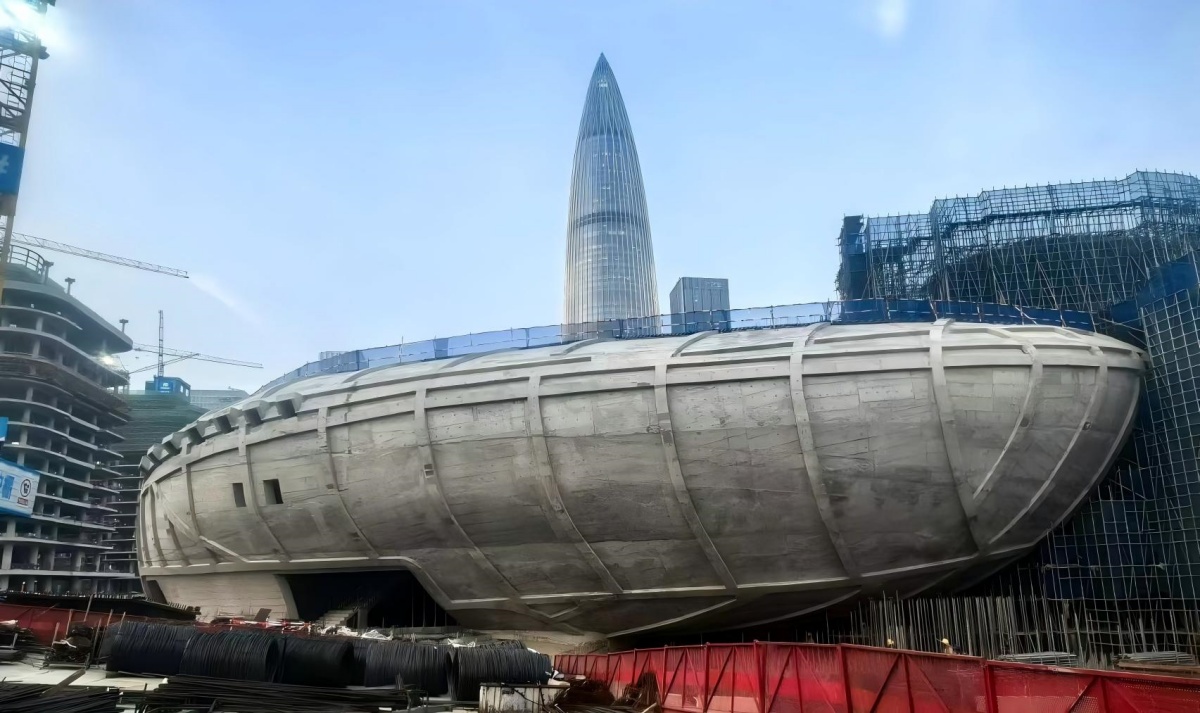
Fair-faced concrete integrates structure and decoration in one. The final aesthetic outcome of a building is 70% determined by the fair-faced formwork system — from upfront detailed formwork layout, CNC fabrication, and integrated support & reinforcement, through to pouring and vibration control, demoulding and curing. Only with meticulous control across the entire workflow can a single-pour finish be achieved, preserving the concrete's natural texture long-term without extensive post-pour patching or refurbishment. It truly delivers on the promise: poured once, perfected for life.
Eco-Friendly & Low-Carbon, Aligned with Dual-Carbon Standards
By eliminating wet plastering works entirely, the consumption of cement mortar, putty, paint and decorative panels is significantly reduced, cutting on-site construction waste by over 70%. Purpose-built fair-faced formwork can be reused and recycled multiple times, lowering timber and steel consumption. Every 10,000 m² of fair-faced concrete construction reduces approximately 15 tons of carbon emissions. It meets LEED and Green Building Evaluation Standards, and is ideal for government public buildings, low-carbon industrial parks and zero-carbon venues.
Structurally Durable, Free from Traditional Finishing Defects
Traditional plastered walls are prone to hollowing, cracking, peeling, water seepage, efflorescence and mould, resulting in high maintenance costs. Once poured and cured, fair-faced concrete forms a dense, compact structure with greatly enhanced chloride resistance, freeze-thaw resistance and weathering performance. Bridges, tunnels and public buildings can achieve a century-long service life with no risk of finish peeling, substantially reducing full-lifecycle maintenance costs.
Significantly Shortened Overall Construction Schedule
Bypassing the full finishing workflow — wall leveling, plastering, polishing and exterior painting/cladding — cuts the overall construction period by over 30%. For high-rise and large-scale projects, structure and finish are completed simultaneously, allowing earlier interleaved installation of MEP and curtain wall works, and effectively addressing tight schedules and cross-trade construction conflicts.
Optimized Full-Cycle Total Cost
While upfront formwork investment is slightly higher than conventional formwork, it delivers one-off savings on plastering labor, decorative materials and secondary scaffolding erection. No subsequent wall renovation, repair or repainting is required, and the formwork can be rented out or recycled for repeated use. Over the full lifecycle, overall cost is notably lower than traditional plastering methods.
Distinctive Aesthetic Expression, Defining Architectural Identity
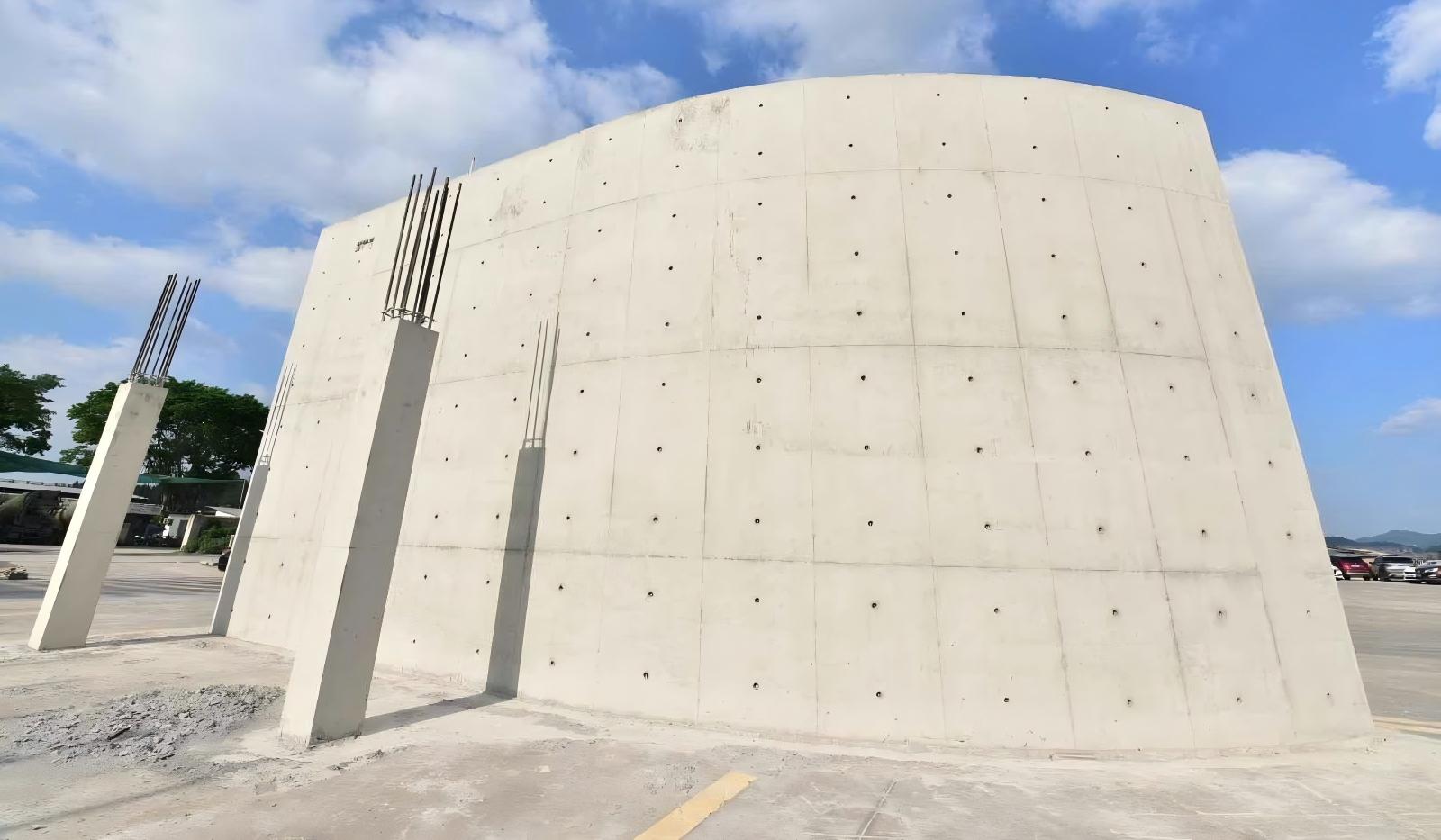
Standardized cicada joints, evenly spaced tie bolt holes and clean panel joints create an orderly geometric texture. Combined with customized finishes such as wood grain, relief, curved surfaces and colored fair-faced concrete, it balances minimalist premium quality with unique architectural character — a signature design language for museums, art galleries and urban landmarks.
